Think You Have Mold? We’ll Tell You for Sure.
Signs
Signs You Need a Mold Inspection
If any of these sound like your home, get it looked at.
- A musty smell that won’t go away, especially in one room
- Allergy or asthma symptoms that get better when you leave the house
- Water damage in the last year, even if someone cleaned it up
- Discoloration on drywall, baseboards, or ceilings
- Paint that’s bubbling, warping, or peeling for no clear reason
- A leak you fixed but never had checked behind the wall
- You’re buying or selling a home and need to know
You don’t need to be sure. That’s what the inspection is for.
Why It Matters
In Arizona, Mold Means Water.
Our air is dry. Mold isn’t growing on humidity. It’s growing on a leak.
Mold needs a water source. In a humid state, that source can be the air. In the Phoenix Valley, it almost never is. If mold is growing in your home, water is getting in from somewhere, and it’s probably still getting in.
Where that water usually comes from:
- A clogged AC condensate line or an overflowing drain pan
- A slab leak under the floor
- Monsoon water coming in through the roof or a window
- A water heater that failed slowly instead of all at once
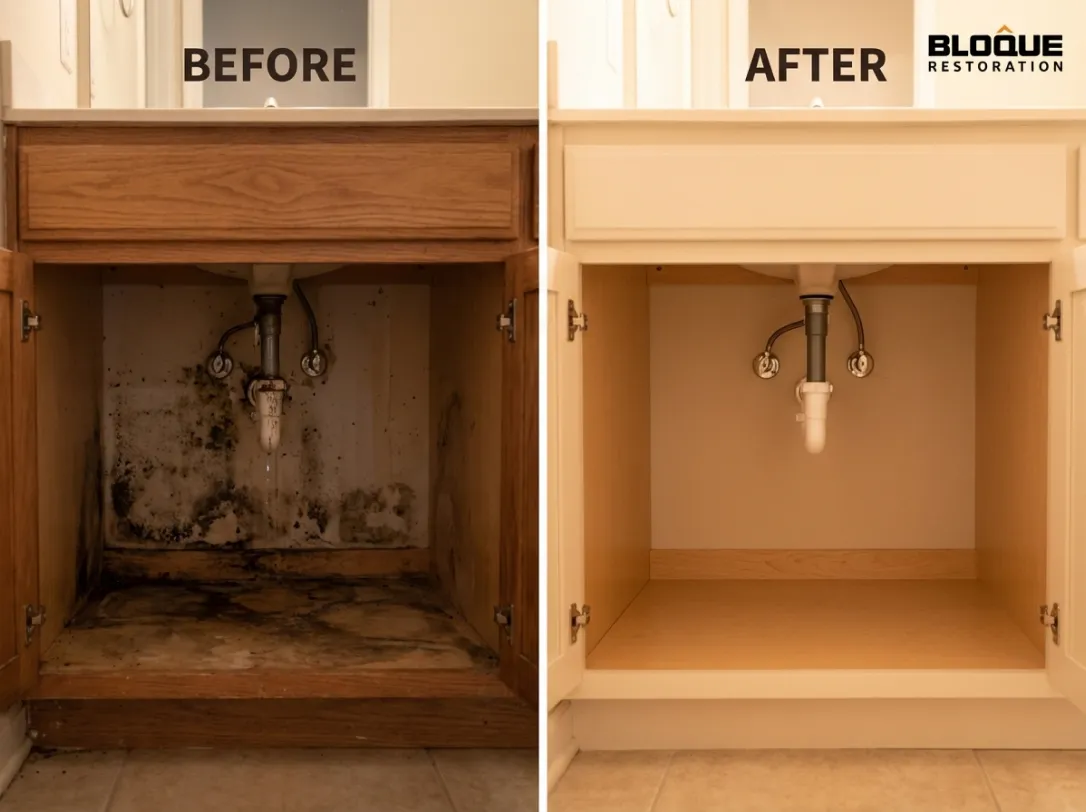
- An under-sink or supply line leak nobody noticed
- Irrigation or pool water sitting against the foundation
This is why a mold inspection that only tests the air isn’t worth much. If nobody finds the water, the mold comes back. We look for the source first.
Mold Inspection Services We Handle
Home Mold Inspection
A full walkthrough of your home, room by room. We check the places mold hides and the places water enters.
Moisture Mapping and Thermal Imaging
Most mold is behind something. We use moisture meters and thermal imaging to find wet material inside walls, under flooring, and above ceilings.
Air Quality and Surface Testing
When the situation calls for it, we take samples and send them to an independent lab. You get the results, not our interpretation of them.
Hidden Mold Detection
Mold grows where you don’t look. Behind cabinets, under subfloor, inside wall cavities, in the duct system. We find it before we guess at it.
Post-Water-Damage Inspection
Had a leak or a flood in the last year? We check whether it was actually dried or just cleaned up on the surface.
Real Estate and Pre-Purchase Mold Inspection
Buying or selling in the Valley? We inspect on your timeline and give you a written report you can hand to the other side.
How Our Mold Inspection Works
Four steps. You get a plain answer at the end of every one.
Walkthrough and Moisture Mapping
We inspect the whole home, not just the spot you called about. Moisture meters and thermal imaging show us what’s wet behind the surface.
Find the Water Source
Mold is a symptom. We trace the water back to where it’s entering, because that’s the part that has to stop.
Testing When It’s Warranted
If testing will change what you do next, we sample and send it to an independent lab. If it won’t, we tell you that and save you the money.
Your Report and a Straight Answer
You get a written report with what we found, where, and what it means. If there’s mold, we walk you through the options. If there isn’t, we say so.
Who to Call
Who Do You Call for a Mold Inspection?
It depends on what you need the inspection to do. There are three kinds of people who will look at mold in your home, and they aren’t interchangeable.
A home inspector
They’ll flag what they can see during a general inspection. They won’t test it and they won’t trace it. Fine for a heads-up. Not enough to act on.
An independent mold inspector or industrial hygienist
They test and report. They don’t do the remediation, so they have no stake in what the results say. This is the right call if you’re in a legal dispute, a landlord conflict, or a real estate deal where the other side needs to trust the report.
A restoration company like Bloque
We inspect, find the water source, and handle the remediation and the rebuild if you want us to. This is the right call when you already know something’s wrong and you want it found and fixed by one team.
We’ll say the obvious part out loud. We do remediation, so we have an interest in finding mold. That’s exactly why our report tells you what we found and where, in writing, so you can take it to anyone else for a second opinion. And if we don’t find mold, we tell you that and we don’t sell you anything.
We Find the Water, Not Just the Mold.
One team, first call to final walkthrough
If you decide to move forward, the crew that inspected your home is the crew that fixes it. One project manager through the entire job. No subcontractor handoffs.
Independent lab results
Samples go to a third-party lab. You get the report they wrote, not a summary we wrote.
A written record you keep
Every inspection ends with a written report of what we found and where. It’s yours. Take it to a second opinion if you want one.
We handle your insurance company
If the mold traces back to a covered water loss, we document it from day one and communicate directly with your insurer.
Service Area
Mold Inspection Services Across the Phoenix Valley
Bloque inspects homes in:
Don’t see your city? Call (480) 242-8084. If you’re in the Valley, we’re probably minutes away.