
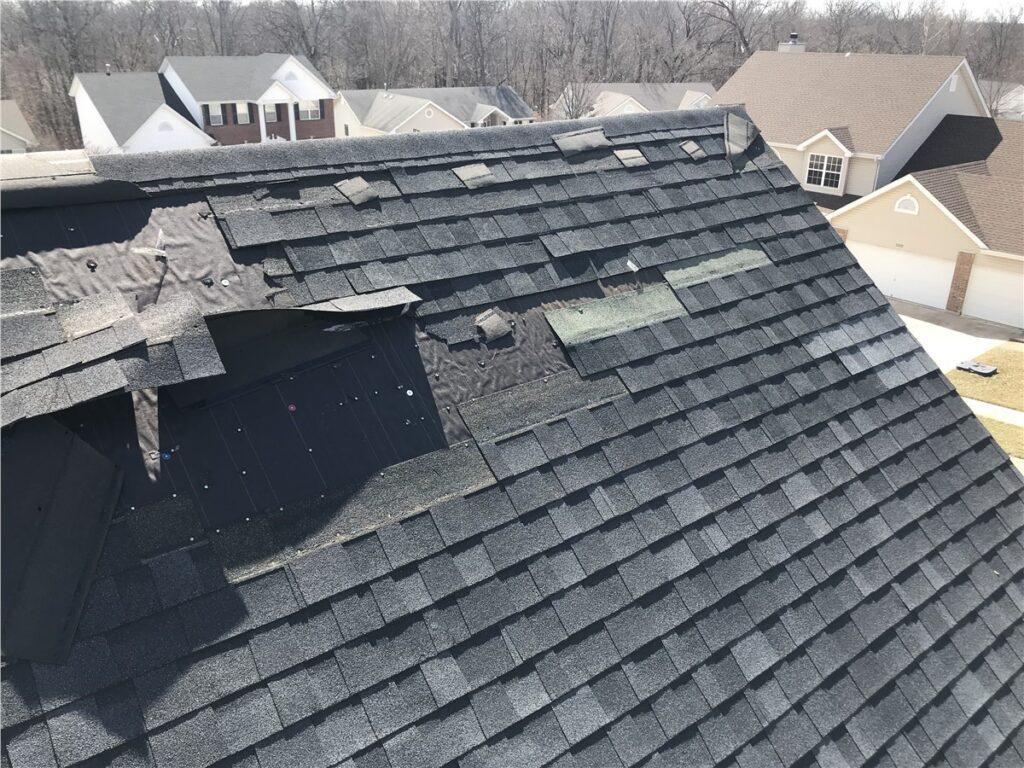
High winds can be both sudden and devastating, especially when they target the most vulnerable part of your home—your roof. While it’s easy to spot obvious damage like fallen branches or missing shingles, many homeowners underestimate the extent of hidden issues that can worsen over time. Understanding how to assess your roof after a storm and knowing when to call in professionals can mean the difference between a simple repair and a costly full replacement.
This comprehensive guide provides a detailed roof damage checklist and outlines how to check your roof after a storm, helping you recognize early warning signs, avoid further deterioration, and decide when to call a roof restoration expert.
Why Wind Damage Should Never Be Ignored
Wind damage doesn’t always look dramatic. In fact, some of the most serious threats—like loosened shingles, damaged flashing, or compromised underlayment—aren’t visible from the ground. Over time, these small issues can lead to leaks, mold growth, structural weakening, and insulation problems.
Roof damage from severe weather, especially high winds, often leads to progressive deterioration. That’s why early identification through a proper wind storm roof inspection is essential. Ignoring these signs can void your roof warranty, reduce your home’s energy efficiency, and lower its resale value
How to Perform a Safe Roof Inspection After High Winds
Safety comes first. If you’re planning a roof inspection after high winds, it’s best to do a preliminary check from the ground using binoculars or a drone if possible. Getting on your roof without proper training or equipment can be dangerous, particularly if the structure has been compromised.
Look for any visible wind damage roof signs, such as:
- Missing or curled shingles
- Detached gutters or flashing
- Debris accumulation
- Sagging or uneven rooflines
- Water stains on interior ceilings or walls
These are immediate indicators that your roof may require professional attention. However, many forms of damage go unseen without a thorough inspection.
Identifying the Signs of Roof Damage From Wind
Recognizing the signs of roof damage from wind early is critical in preventing further damage. Even wind speeds as low as 45 mph can loosen shingles, while gusts above 60 mph may cause significant structural harm.
Some common but often overlooked signs include:
- Granule loss on shingles: High winds can strip the protective granules off asphalt shingles, exposing them to UV rays and reducing their lifespan.
- Lifted or flapping shingles: These may not be entirely torn off but can allow water to penetrate beneath the surface.
- Cracked or bent flashing: Flashing seals the roof edges, chimneys, and vents. If it’s damaged, water intrusion is likely.
- Loose gutters and downspouts: High winds can shift gutters out of alignment, affecting proper drainage and leading to water pooling on the roof.
If you observe any of these symptoms, especially after a wind event, it’s time to consult a roof repair professional near you for a more detailed inspection.
Understanding the Full Roof Repair Checklist
A thorough roof repair checklist goes beyond checking for missing shingles. A professional roofer will look at:
- Structural integrity (rafters, decking, underlayment)
- Chimney flashing and vent boots
- Attic insulation and ventilation systems
- Gutter placement and drainage systems
- Skylights, satellite dishes, and any roof penetrations
- Evidence of interior leaks or water damage
This checklist ensures that your roof’s overall health is evaluated, not just the surface damage. A detailed inspection helps identify areas at risk for future problems and ensures your roof is storm-ready moving forward.
The Risks of Delaying Storm Damage Roof Repair
Many homeowners make the mistake of postponing storm damage roof repair because the damage isn’t immediately apparent or leaks haven’t started yet. However, delaying action can lead to more severe structural issues, increased repair costs, and further weather exposure.
For instance, wind damaged shingles might allow water to seep in slowly over weeks or months, leading to mold or rot inside the attic or walls. Additionally, insurance companies may reduce or deny claims if they determine that negligence or delayed response contributed to the worsening of damage.
That’s why it’s essential to act promptly and schedule an emergency roof repair for wind damage as soon as any signs of damage are identified.
When to Call a Roof Restoration Expert
Knowing when to call a roof restoration expert is key to maintaining your home’s integrity. You should seek professional help if:
- There are visible signs of shingle displacement or structural weakness.
- You’re unsure about the extent of the damage after a storm.
- Your home has experienced repeated exposure to high winds.
- Water stains appear on ceilings or walls, even days after the storm.
- You want a professional report for insurance purposes.
An experienced restoration contractor not only repairs damage but also ensures that your roof meets current building codes, improves energy efficiency, and documents everything needed for insurance claims. Restoration professionals are trained to assess both visible and hidden damage and provide full roof restoration services, not just superficial fixes.
Insurance Claims and Professional Documentation
A major advantage of working with a licensed restoration company is support during the insurance process. Many policies cover roof damage after a storm, but only if homeowners act quickly and follow proper documentation procedures.
Professionals can:
- Provide a detailed inspection report
- Offer photo and video evidence of the damage
- Communicate directly with your insurance adjuster
- Assist with temporary repairs to prevent further loss
This helps maximize your claim and ensures you don’t shoulder unexpected out-of-pocket expenses due to overlooked requirements.
Preventing Future Roof Damage From Severe Weather
While you can’t control the weather, you can take steps to reduce the risk of roof damage in the future. A professional can recommend:
- High-impact or wind-resistant shingles
- Reinforced flashing and underlayment
- Regular maintenance and inspections
- Trimming overhanging trees
- Installing roof straps or hurricane clips in wind-prone areas
By investing in proactive measures, you not only extend the life of your roof but also enhance the overall protection of your home.
Conclusion: Protect Your Home with Expert Help from Bloque Restoration
Your roof is your home’s first line of defense against the elements. After a windstorm, even small issues can lead to major problems if left unchecked. Understanding the roof damage checklist, identifying wind damage roof signs, and knowing when to call a roof restoration expert are all essential steps in protecting your investment.
Don’t wait for leaks, mold, or structural issues to appear. Take action the moment you suspect damage, and let professionals ensure your home is safe, secure, and storm-ready.
Bloque Restoration is here to help with emergency response, detailed roof inspections, and complete roof restoration services. Our certified team is experienced in identifying both obvious and hidden storm damage, supporting insurance claims, and restoring peace of mind.
Contact Bloque Restoration today for your professional roof inspection or storm damage assessment. Your roof—and your home—deserve the highest level of care.