
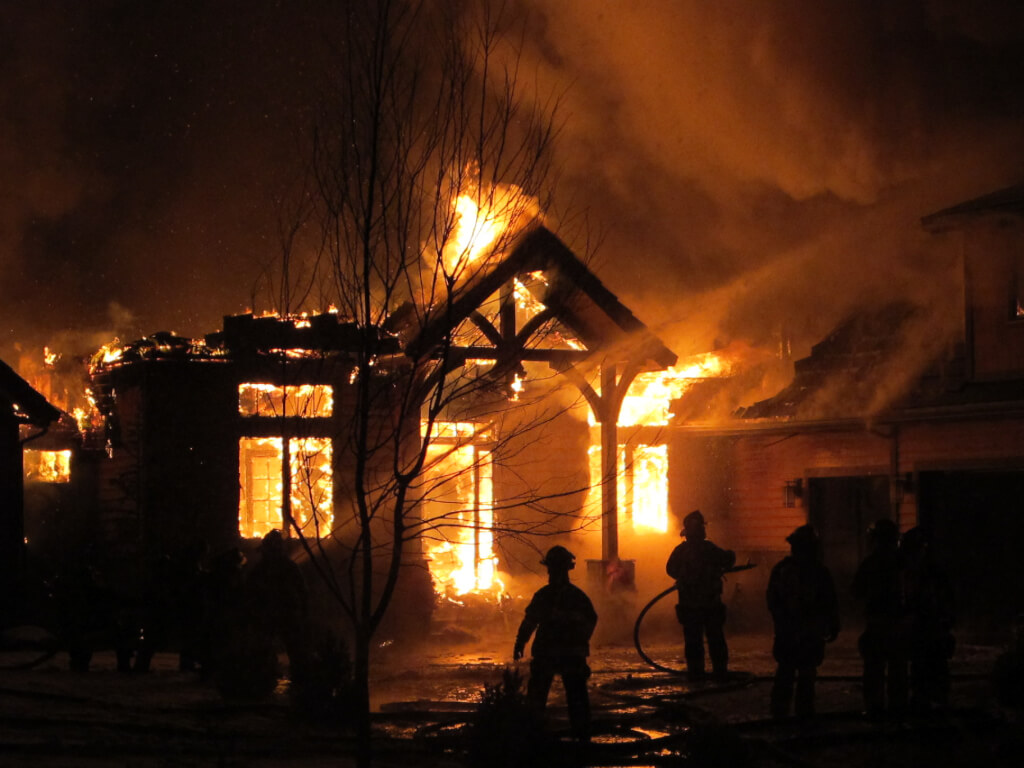
Recovering from a house fire is one of the most emotionally and physically overwhelming experiences a homeowner can face. With your home and belongings possibly damaged or destroyed, the aftermath can feel chaotic and confusing. Amidst the stress and urgency to restore normalcy, it’s easy to make critical decisions that lead to delays, safety risks, or unnecessary expenses.
This guide will walk you through the most common fire damage mistakes, offer practical fire damage cleanup advice, and help you avoid pitfalls during the restoration process. Whether you’re dealing with minor smoke damage or extensive structural issues, understanding what to do after a house fire is crucial for a smoother, safer recovery.
The Importance of Staying Calm and Prioritizing Safety First
In the immediate aftermath of a fire, adrenaline and panic often cloud judgment. One of the biggest mistakes homeowners make is rushing back into the property too soon. While your instinct may be to salvage valuables or assess the damage yourself, it’s important to remember that fire-damaged homes may have hidden hazards.
Structural instability, lingering smoke and soot, and compromised wiring can pose serious risks. Even a seemingly “minor” fire can make a home unsafe to enter. Always wait for the fire department or a certified inspector to declare the property safe before reentry.
Ignoring post fire safety tips can not only jeopardize your health but may also hinder your insurance claims. For instance, entering without permission or disturbing the scene may be interpreted as tampering, complicating investigations and assessments.
Mistake #1: Not Contacting Insurance Right Away
One of the most common fire restoration errors is delaying contact with your insurance provider. Your policy likely requires that you notify your insurance company as soon as reasonably possible after a disaster. Failing to do this can slow down the entire house fire recovery process.
Your insurance company will need to send an adjuster to assess the damage and document losses. Waiting too long may result in complications or even denial of your claim. Keep detailed records of everything—photos, videos, written notes, and receipts—to support your case and simplify the claim process.
Mistake #2: Attempting DIY Fire Damage Cleanup
It might be tempting to clean up fire and smoke damage yourself to speed things up or save money. However, this is one of the most dangerous and costly mistakes after fire damage. Fire residue, especially soot and ash, contains toxic chemicals and carcinogens that require specialized safety equipment and professional handling.
Improper cleaning methods can cause permanent damage to walls, flooring, electronics, and furniture. For example, scrubbing soot with water can cause smearing and staining, while touching charred surfaces can release harmful particles into the air.
Professional fire damage restoration experts follow a detailed fire restoration process using industry-grade tools like HEPA vacuums, ozone machines, and thermal foggers to safely remove odors, ash, and contaminants. When homeowners attempt to clean these materials themselves, they may unknowingly spread contamination or worsen the damage.
Mistake #3: Failing to Secure the Property Immediately
Once a fire is extinguished, the property becomes vulnerable to theft, vandalism, and weather damage. Another critical fire damage mistake is not securing your home through emergency board-up services or tarping.
Broken windows, damaged doors, and holes in the roof must be sealed as quickly as possible. If left open, these entry points may invite intruders or further water damage from rain or sprinkler systems. In some cases, insurance companies may even deny part of your claim if additional damage occurs because the property wasn’t properly protected.
A reputable restoration company will prioritize emergency fire damage response by securing the site, setting up temporary fencing, and mitigating further risks.
Mistake #4: Overlooking Smoke and Soot Residue
Many homeowners focus solely on what’s visibly burned or structurally affected. However, smoke and soot can infiltrate even untouched areas of the house, embedding into walls, insulation, HVAC systems, and fabrics. Ignoring this hidden contamination can lead to ongoing health issues and stubborn odors.
This is where understanding fire cleanup dos and don’ts becomes essential. Do not use your HVAC system before it’s inspected and cleaned, as it can circulate soot particles throughout your home. Don’t attempt to launder clothing or upholstery until a restoration professional has evaluated the materials.
The lingering effects of smoke exposure include respiratory issues, eye irritation, skin problems, and even long-term neurological concerns. Proper deodorization, air scrubbing, and surface cleaning must be conducted using specialized methods.
Mistake #5: Neglecting Structural Assessments
After ensuring the fire is out, many homeowners assume the house is safe to rebuild or reoccupy once surface cleanup is done. But fire can compromise the structural integrity of beams, joists, and load-bearing walls, even if they appear intact.
Without a comprehensive inspection, you may overlook serious risks that could lead to collapse or costly repairs down the line. A thorough structural evaluation is part of any responsible fire damage restoration guide. Licensed professionals use moisture meters, infrared cameras, and structural engineering input to ensure your home is safe and code-compliant before rebuilding begins.
Mistake #6: Delaying the Restoration Process
Procrastination can be incredibly costly when it comes to fire damage repair. Delays allow mold to develop in areas affected by water from firefighting efforts, cause lingering odors to set in deeper, and slow down insurance reimbursements.
If you don’t act quickly, minor damages can escalate into major restoration needs. Additionally, contractors and restoration companies often book up quickly following local disasters. The longer you wait, the fewer options you’ll have for trusted help—and the higher your final costs may be.
Begin the fire restoration process immediately by working with a licensed, experienced contractor who can provide timelines, estimates, and documentation needed for insurance and compliance.
How to Handle Fire Damage the Right Way
To ensure a safe, efficient recovery, homeowners should partner with a professional restoration company that provides a complete suite of services—from emergency response and damage assessment to cleanup, odor removal, structural repairs, and reconstruction.
Here are a few expert fire damage repair tips to keep in mind:
- Don’t throw anything away until your insurance adjuster has documented it
- Document everything with photos, videos, and written notes
- Keep receipts for any expenses related to temporary housing or repairs
- Communicate with all parties involved—restoration teams, insurance agents, and inspectors
- Choose a restoration company that is IICRC-certified and experienced in fire and smoke damage
Conclusion: Avoid Costly Mistakes with a Trusted Partner
Recovering from a fire is never easy, but knowing what to do after a house fire—and what mistakes to avoid—can make the process significantly smoother. By prioritizing safety, acting quickly, and working with professionals, you can restore your home and peace of mind.
Don’t risk your family’s health or delay your recovery by taking matters into your own hands. For expert guidance, fast emergency response, and full-service restoration support, trust Bloque Restoration to bring your home back to life with care, precision, and professionalism.
Contact Bloque Restoration today to schedule your fire damage assessment or learn more about our comprehensive restoration services.